
COMPLIANCE
E-INVOICING
INTEGRATION

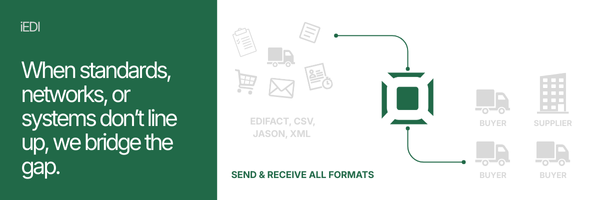
Electronic Data Interchange (EDI) has been a core part of European B2B trade for decades. Traditionally, it enabled companies to exchange documents such as orders, invoices, and shipping notices in structured formats like EDIFACT. However, the role of EDI is undergoing a massive structural shift. What was once a rigid technical integration layer is transforming into a standardised, cloud-native, and network-driven infrastructure for digital trade.
This evolution is reflected in staggering market projections. According to Ken Research, the global EDI market is projected to reach over USD 74 billion by 2031, growing at a Compound Annual Growth Rate (CAGR) of roughly 11.9%.
Driven by digital transformation and supply chain automation, businesses are abandoning legacy systems in favor of agile, AI-driven, and API-enabled solutions that offer real-time visibility and lower costs. This shift is fundamentally driven by three forces:
Europe already boasts a relatively high level of EDI adoption compared to other global regions. Large enterprises have long relied on EDI to manage supply chains, automate procurement, and ensure compliance.
Simultaneously, we are seeing a surge in SME adoption. The development of low-code/no-code platforms and user-friendly onboarding tools has drastically reduced technical barriers, allowing Small and Medium-sized Enterprises to seamlessly integrate EDI into their digitalisation strategies. (Like our iedi.online solution. No technical expertise is needed - SMEs will low EDI needs are able to start without big investments.)
Despite this high adoption, the European landscape remains highly fragmented. Many companies are still bottlenecked by:
This fragmentation creates massive operational complexity, particularly for businesses trading across borders.
Historically, EDI operated in two- or three-corner models, where each connection between trading partners required a bespoke setup. This approach simply does not scale in today's fast-paced market - trading partners change and ecosystems collapse.
To combat this, companies are shifting toward two major architectural upgrades:
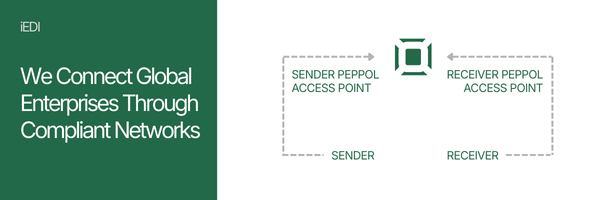
Peppol has quickly become a cornerstone of Europe’s digital infrastructure. Initially developed strictly for public sector invoicing (B2G), it is rapidly expanding into B2B e-invoicing, cross-border trade, and broader compliance frameworks.
Peppol’s runaway success is driven by:
As more countries mandate Peppol adoption, it is positioning itself as the default infrastructure for electronic document exchange across the continent. iEDI is, of course, an Official Peppol Access Point provider.
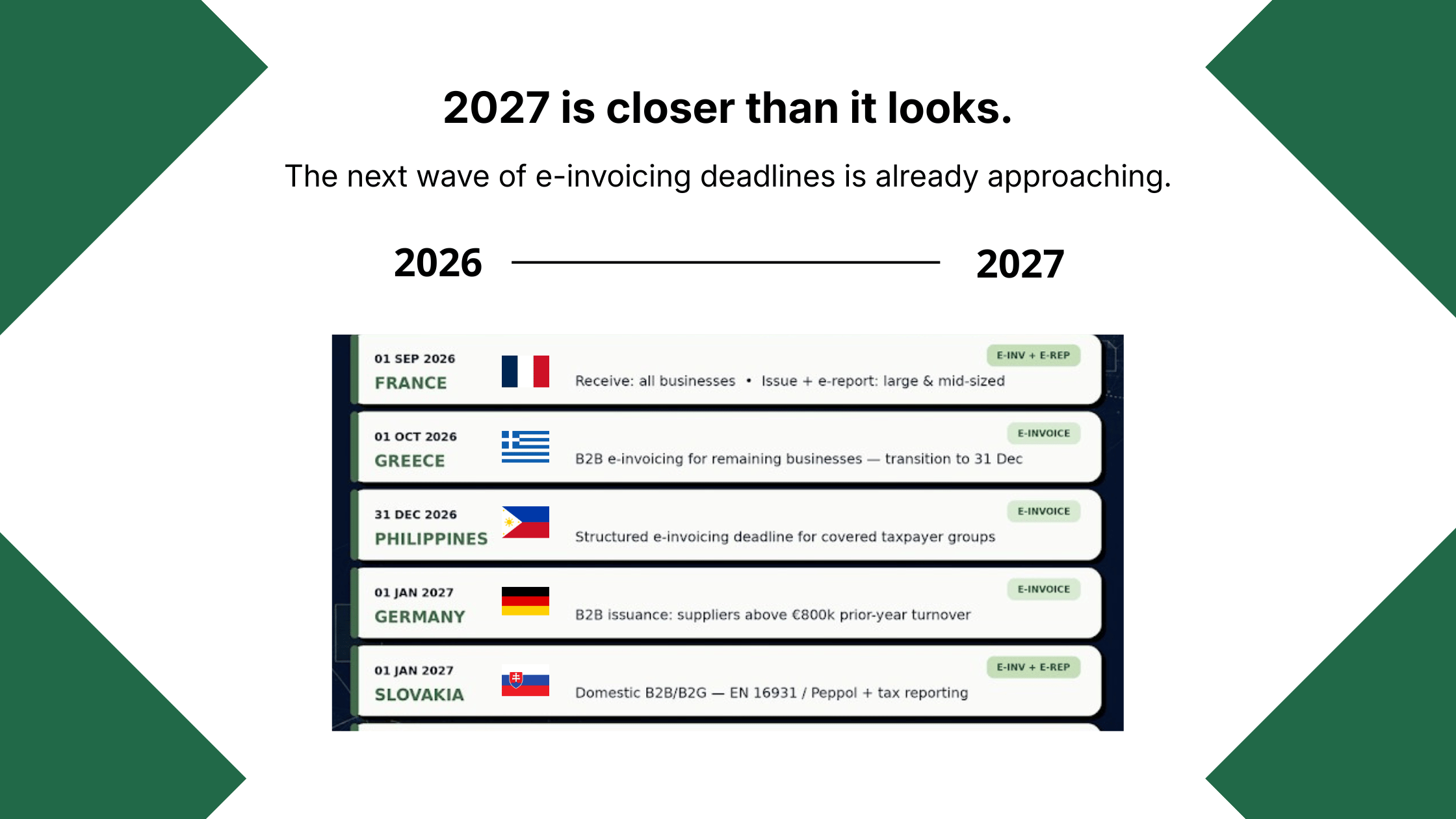
The single biggest accelerator of this technological shift is government regulation. Across Europe, authorities are aggressively introducing Continuous Transaction Controls (CTC), mandatory e-invoicing, and real-time (or near real-time) VAT reporting to close tax gaps.
The EU’s VAT in the Digital Age (ViDA) initiative will further standardise these requirements. By 2030:
These government mandates are forcing companies to adopt highly compliant EDI systems to secure international trade. EDI is officially moving from a "nice-to-have" operational efficiency tool to a business-critical compliance system.
The commercial EDI landscape is evolving rapidly to meet these new demands. Traditional EDI providers, which often rely on transaction-based pricing, complex onboarding, and high internal IT resource requirements, are being phased out.
Instead, the market is embracing:
Buyers are no longer looking for standalone "EDI software." They are looking for reliable document flow, guaranteed compliance, and operational continuity. EDI is becoming a service layer.
Different sectors are leveraging this new wave of EDI to solve specific operational bottlenecks:
For companies operating in Europe, EDI is no longer just an IT decision. It directly impacts Finance (VAT compliance and reporting), Operations (order-to-cash process speed), and IT (integration strategy and security).
The companies that adapt early to this shift toward real-time, standardised, network-driven exchange models will benefit heavily from:
Navigating the European EDI landscape requires more than just technical integration; it demands the right infrastructure, modern standards, and a future-proof strategy.
If you want to understand how your business can prepare for Peppol, ViDA, and the shift to cloud-based real-time reporting, speak to one of our EDI experts today. Find us here.
.png?width=2240&height=1260&name=Greeces%20e-invoicing%20deadline%20is%20closer%20than%20you%20think%20-%20blog%20post%20(1).png)