
Skip to content

E-invoicing around the world

Stay ahead of e-invoicing requirements

← Explore all countries
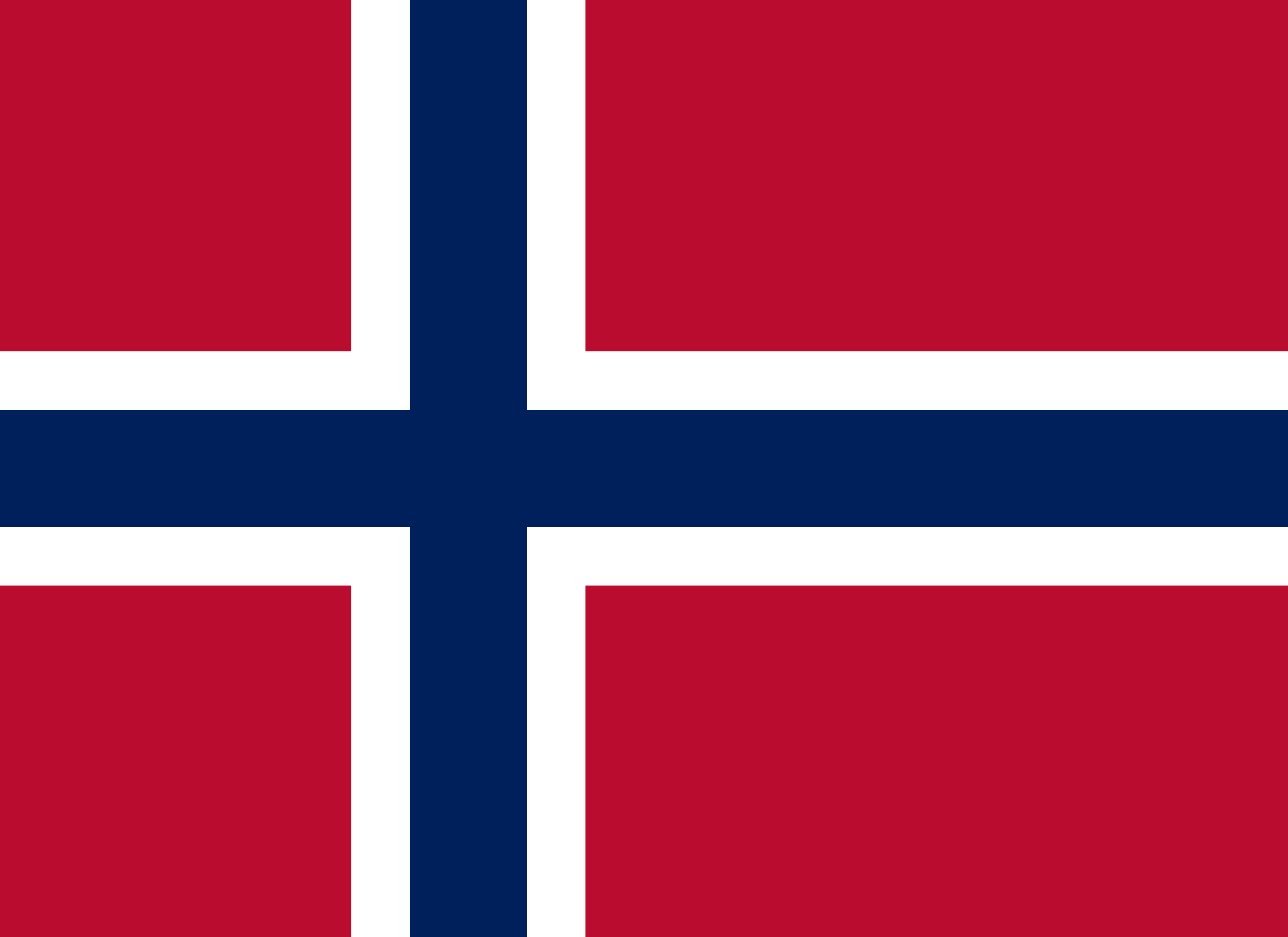
Norway flag

E-invoicing in Norway

Norway has adopted mandatory B2B e-invoicing, with the first requirements taking effect from January 2027.

Upcoming mandate Available with iEDI

At a glance

B2B e-invoicing Upcoming mandate
B2G e-invoicing Mandatory
Infrastructure Peppol/EHF
Next deadline 1 January 2027

Bookkeeping-obligated businesses must begin issuing electronic invoices to other bookkeeping-obligated businesses that are able to receive e-invoices.

Key e-invoicing deadlines

1 January 2027
Upcoming

Mandatory B2B e-invoicing begins

Bookkeeping-obligated businesses must issue structured electronic invoices when invoicing other bookkeeping-obligated businesses that are able to receive e-invoices. The requirement marks the introduction of mandatory B2B e-invoicing in Norway.

1 January 2030
Upcoming

Mandatory e-invoice receiving takes effect

Bookkeeping-obligated businesses must be able to receive and automatically process structured electronic invoices as part of the mandatory digital bookkeeping requirements.

Norway has adopted new legislation introducing mandatory electronic invoicing and digital bookkeeping requirements for businesses. The rollout begins on 1 January 2027, when bookkeeping-obligated businesses must issue structured electronic invoices to other bookkeeping-obligated businesses that are able to receive them.

A second major phase takes effect on 1 January 2030, when bookkeeping-obligated businesses must use digital accounting systems and be able to receive and automatically process electronic invoices.

From 1 January 2027, bookkeeping-obligated businesses must issue electronic invoices when invoicing other bookkeeping-obligated businesses that are registered in ELMA and therefore able to receive e-invoices.

From 1 January 2030, the requirements expand further as bookkeeping-obligated businesses must use digital accounting systems and be capable of receiving and automatically processing electronic invoices.

Businesses within scope of the 2027 requirement must issue structured electronic invoices rather than relying solely on unstructured formats such as PDF when invoicing applicable recipients.

From 2030, bookkeeping-obligated businesses must also use digital accounting systems capable of receiving and automatically processing electronic invoices. The phased implementation allows the issuing requirement to take effect before the general receiving requirement.

Norway has a mature electronic invoicing ecosystem based on EHF and the Peppol infrastructure. ELMA is used to identify organisations that are able to receive electronic documents through the network.

The 2027 issuing requirement initially applies when the recipient is registered in ELMA and can therefore receive an electronic invoice. From 2030, the receiving capability becomes part of the broader mandatory digital bookkeeping requirements.

iEDI helps businesses exchange structured electronic invoices through Norway's established Peppol infrastructure and prepare for the upcoming B2B requirements.

We connect your existing ERP and business systems to the required e-invoicing infrastructure without requiring you to replace the systems you already use. iEDI handles the transformation and exchange of invoice data and supports Peppol alongside established communication methods such as AS2 and SFTP.

This allows businesses to integrate Norwegian e-invoicing into their existing document flows while preparing their systems for the planned expansion of mandatory B2B electronic invoicing.

Frequently asked questions

Is B2B e-invoicing mandatory in Norway?
Norway is preparing to expand structured e-invoicing requirements to private-sector transactions, with new requirements planned from 2028. 
Is B2G e-invoicing mandatory in Norway?
Norway has adopted mandatory B2B e-invoicing requirements. From 1 January 2027, bookkeeping-obligated businesses must issue electronic invoices when invoicing other bookkeeping-obligated businesses that are able to receive them. A broader requirement to be able to receive electronic invoices takes effect from 1 January 2030. 
What is EHF?
EHF is Norway's standardised electronic business document format. Norwegian electronic invoices are commonly exchanged using EHF through the Peppol infrastructure. 
Does Norway use Peppol?
Yes. Peppol is a central part of Norway's electronic document exchange infrastructure and is widely used for structured invoice exchange. 
What are the key e-invoicing deadlines in Norway?

The first major deadline is 1 January 2027, when the B2B issuing requirement takes effect for applicable transactions. From 1 January 2030, bookkeeping-obligated businesses must also use digital accounting systems and be able to receive and automatically process electronic invoices.

Can iEDI support e-invoicing in Norway?
Yes. iEDI supports electronic document exchange in Norway and can integrate existing ERP systems with structured invoice workflows, including Peppol. 
Ready to get started?

Prepare your business for e-invoicing in Norway

Connect your existing systems to the required e-invoicing infrastructure and prepare for compliance without replacing the ERP and business systems you already use.