
Skip to content

E-invoicing around the world

Stay ahead of e-invoicing requirements

← Explore all countries
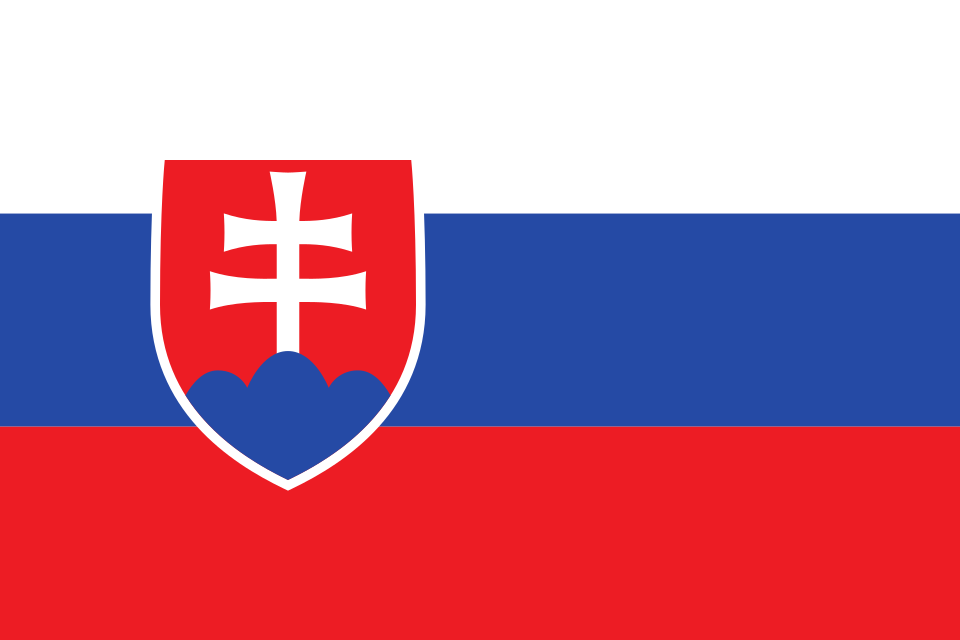
Slovakia flag

E-invoicing in Slovakia

Slovakia will introduce mandatory structured e-invoicing for domestic B2B and B2G transactions from 1 January 2027.

Upcoming mandate Available with iEDI

At a glance

B2B e-invoicing Upcoming mandate
B2G e-invoicing Upcoming mandate
Infrastructure Peppol
Next deadline 1 January 2027

Mandatory structured e-invoicing begins for applicable domestic B2B and B2G transactions.

Key e-invoicing deadlines

1 January 2027
Upcoming

Mandatory domestic e-invoicing begins

Mandatory structured electronic invoicing takes effect for applicable domestic transactions in Slovakia. VAT-registered businesses must issue structured e-invoices, while businesses and other taxable persons within scope must be able to receive them.

1 July 2030
Upcoming

Digital reporting expands to EU transactions

Slovakia's digital reporting framework expands to applicable cross-border transactions within the European Union as part of the implementation of the EU's VAT in the Digital Age requirements. 

Slovakia is introducing mandatory structured electronic invoicing as part of a major digitalisation of its VAT and invoicing framework.

From 1 January 2027, electronic invoicing will become the standard for applicable domestic B2B and B2G transactions. The new framework will combine structured electronic invoice exchange with digital reporting of invoice data, while businesses can already participate voluntarily ahead of the mandatory implementation.

From 1 January 2027, Slovak VAT-registered businesses will generally be required to issue structured electronic invoices when supplying goods or services to other businesses, companies, or organisations in Slovakia.

Businesses and other entities carrying out economic activities must also be able to receive electronic invoices, including entities that aren't themselves VAT registered. The 2027 domestic requirements cover B2B and B2G transactions, while invoices issued to consumers are not included in the mandate.

Businesses within scope must be able to generate, send, and receive invoices in the prescribed structured electronic format. A conventional PDF invoice doesn't qualify as a structured electronic invoice under the new framework.

Electronic invoices will be exchanged through certified delivery service providers, allowing invoice data to move automatically between businesses and their accounting or ERP systems. The framework will also support the electronic transmission of relevant invoice data for tax reporting purposes.

Businesses should therefore ensure that their existing accounting or ERP systems can generate and process structured invoices and communicate with an appropriate electronic delivery service.

Slovakia’s electronic invoicing framework uses the Peppol network for secure electronic document exchange. Businesses connect through certified delivery service providers, which act as intermediaries for sending and receiving electronic invoices.

Electronic invoices use structured XML based on Peppol BIS Billing and the European EN 16931 standard, enabling invoices to be processed automatically by accounting and ERP systems.

The use of Peppol also provides an interoperable infrastructure that can support electronic invoice exchange beyond Slovakia as European e-invoicing requirements continue to develop.

iEDI is currently working towards supporting Slovakia’s upcoming e-invoicing requirements.

Our platform is designed to connect existing ERP and business systems with structured electronic document exchange without requiring businesses to replace their existing setup.

As our Slovakia coverage becomes available, businesses will be able to integrate structured invoice exchange into their existing ERP and invoicing workflows. Contact us to discuss your requirements and the current status of our Slovakia coverage.

Frequently asked questions

When does mandatory e-invoicing begin in Slovakia?
Mandatory structured electronic invoicing for applicable domestic B2B and B2G transactions begins on 1 January 2027. 
Who will have to issue e-invoices in Slovakia?
From 1 January 2027, Slovak VAT-registered businesses will generally be required to issue structured electronic invoices for applicable domestic transactions with businesses and public-sector organisations. 
Will businesses have to receive electronic invoices?
Yes. Businesses and other entities carrying out economic activities will need to be capable of receiving structured electronic invoices, including entities that are not themselves VAT registered. 
Will Slovakia use Peppol?
Yes. Slovakia's new framework uses Peppol for structured electronic invoice exchange through certified delivery service providers. 
Does iEDI support Slovakia's upcoming mandate?
iEDI is currently working towards supporting Slovakia's upcoming e-invoicing requirements. Contact us to discuss your requirements and the current status of our Slovakia coverage. 
Ready to get started?

Prepare your business for e-invoicing in Slovakia

Connect your existing systems to the required e-invoicing infrastructure and prepare for compliance without replacing the ERP and business systems you already use.