Most legacy EDI setups aren’t visibly broken. Orders go through. Invoices get sent. Business continues unimpeded.
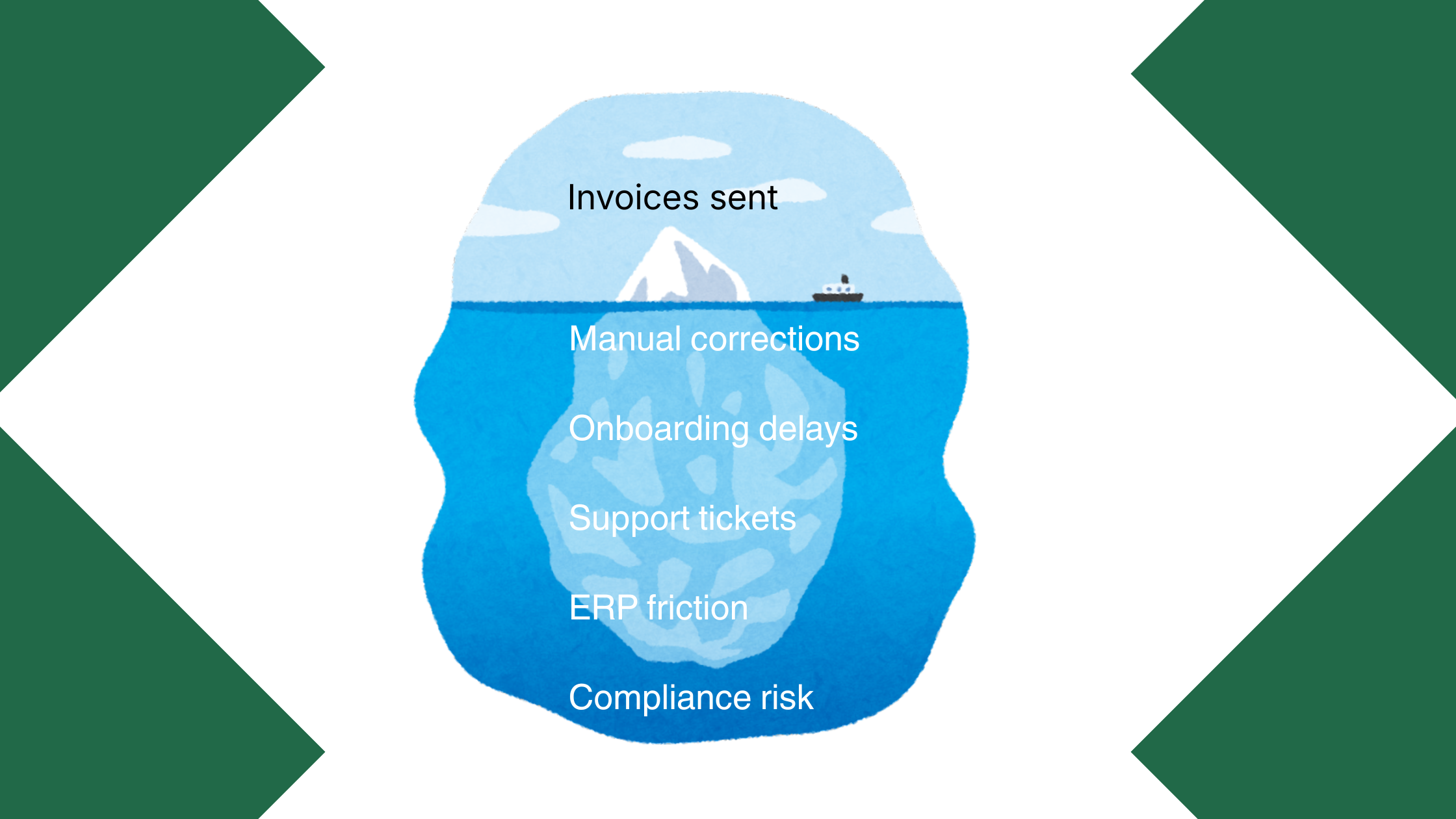
So the assumption becomes: “It works fine.” But that’s often where the hidden costs begin.
The problem with “fine”
A setup can technically function while still creating:
- manual work
- onboarding delays
- support dependency
- slow change management
- operational friction
Over time, those costs compound.
Hidden cost 1: slow onboarding
If onboarding a new customer takes three weeks instead of three days, then
- orders start later
- invoicing starts later
- revenue starts later
That’s not an IT issue. It’s commercial delay.
Hidden cost 2: manual intervention
Many EDI environments rely on:
- manual corrections
- monitoring
- exception handling
- workaround processes
The cost isn’t always visible in the EDI invoice. It’s hidden inside finance, customer service, and supply chain teams.
Hidden cost 3: ERP friction
Older EDI setups often struggle with:
- ERP upgrades
- new formats
- compliance changes
- API expectations
This creates integration bottlenecks.
Hidden cost 4: compliance exposure
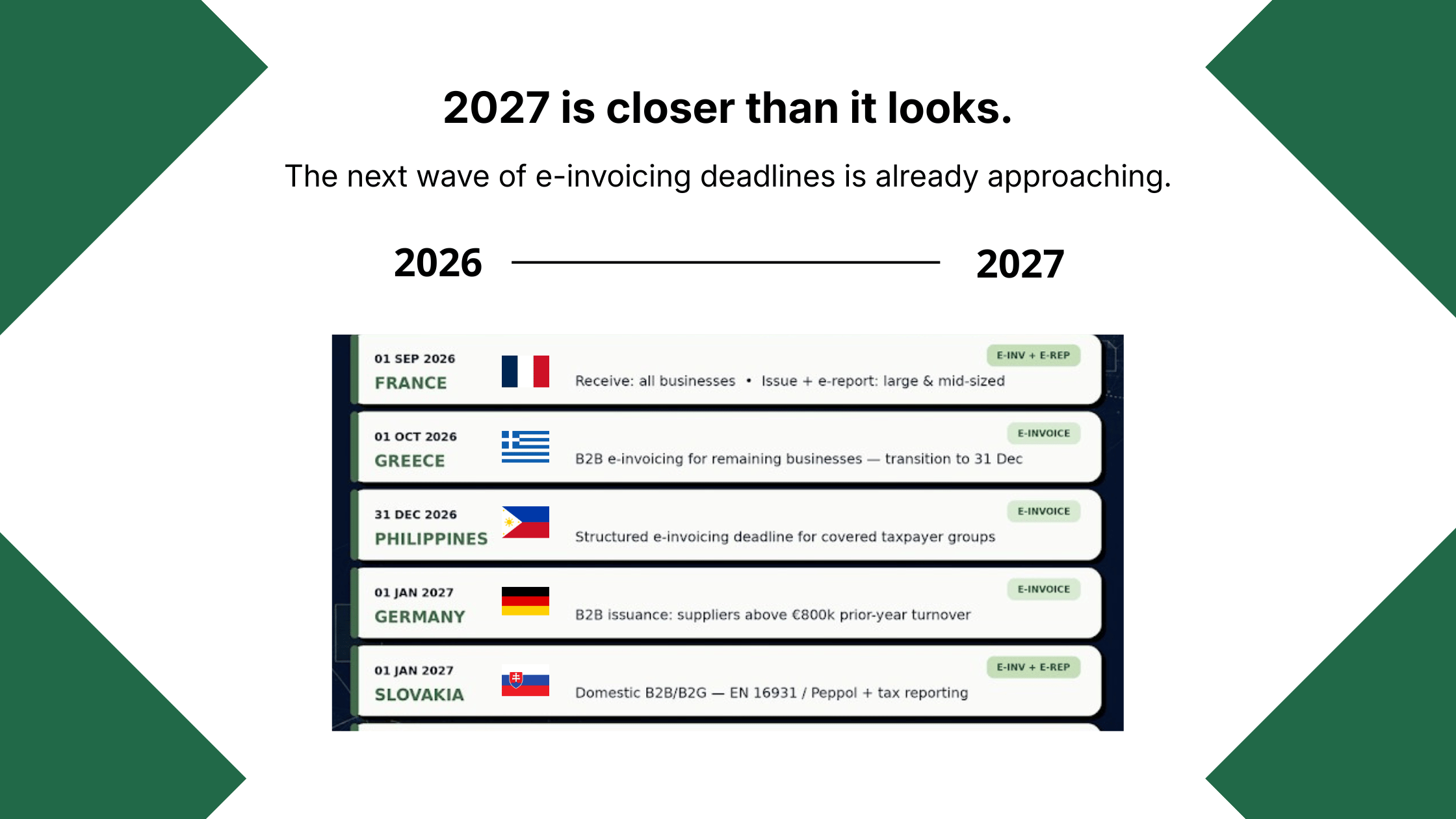
As Europe moves toward ViDA, structured e-invoicing, and digital reporting, fragmented setups become harder to maintain.
What worked five years ago may not fit the next five.
Final thought
The danger with EDI is rarely catastrophic failure. It’s slow operational drag.
And because it accumulates gradually, many businesses underestimate the real cost.
Get an EDI audit
If your EDI setup “works fine” but still feels slow, manual, or difficult to scale, it may be worth taking a closer look.
Speak to an EDI expert


.png?width=2240&height=1260&name=Greeces%20e-invoicing%20deadline%20is%20closer%20than%20you%20think%20-%20blog%20post%20(1).png)