A simple guide for businesses preparing for the future of e-invoicing
If you've been following developments in e-invoicing, you've probably come across the term Peppol. If you haven't, you're certainly not alone.
Despite becoming one of Europe's most important digital business networks, many companies have never heard of it.
That's beginning to change.
Governments across Europe are increasingly recommending—or requiring—Peppol for electronic invoicing, while more private businesses are adopting it as a standard way to exchange business documents.
So what exactly is Peppol, and why should businesses pay attention?
What is Peppol?
Peppol stands for Pan-European Public Procurement OnLine.
Although the name sounds technical, the concept is surprisingly simple.
Peppol is a secure network that allows businesses to exchange electronic business documents in a standardised way.
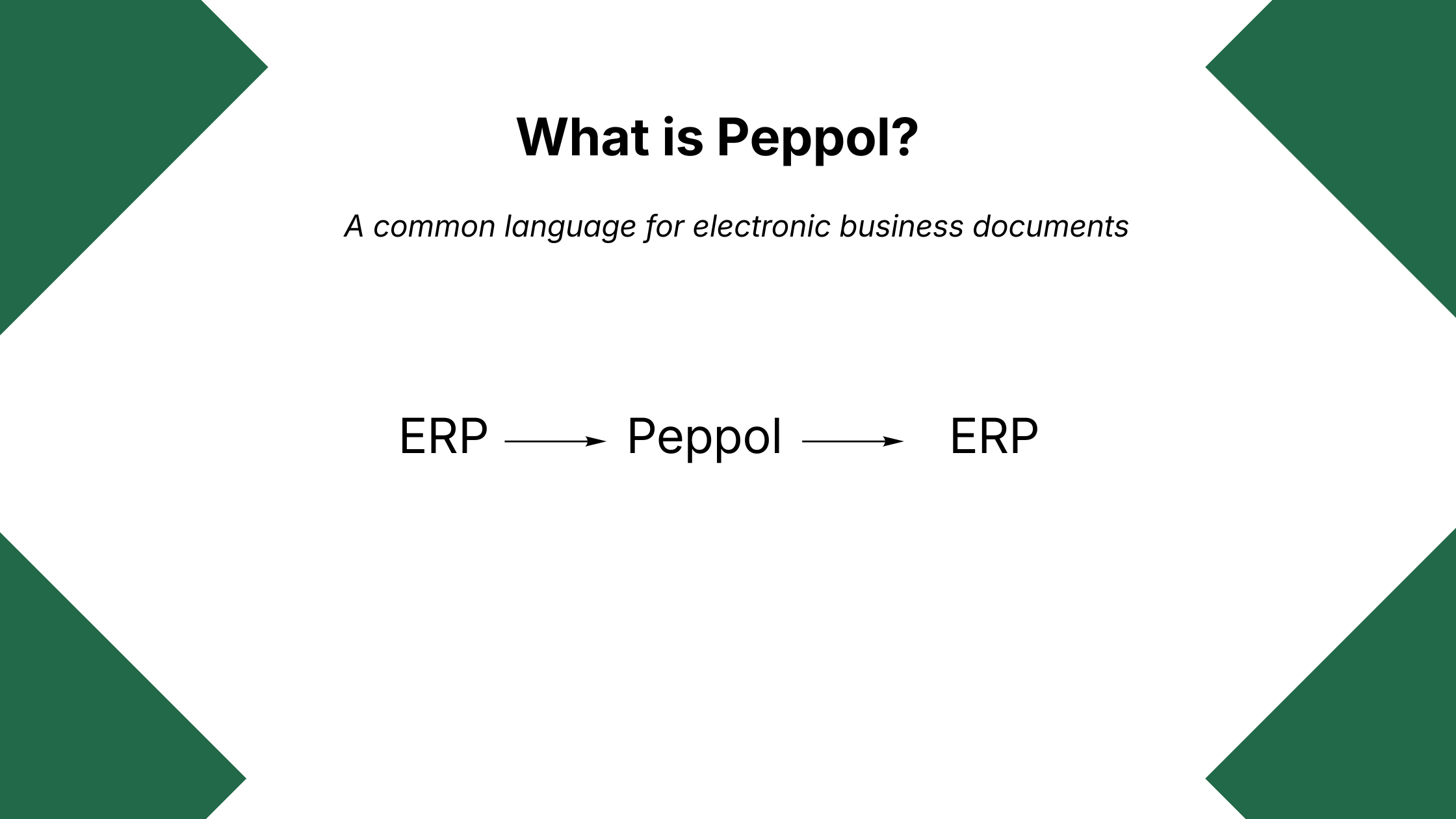
Think of it as a common language for invoices, purchase orders and other business documents.
Instead of every company creating custom integrations with every trading partner, Peppol provides a shared framework that allows different systems to communicate with one another.
Why was Peppol created?
Historically, exchanging electronic business documents could be complicated.
Different organisations used different formats, different communication methods, and different technical requirements.
Connecting with a new customer often meant building another integration.
Peppol simplifies that process.
Once connected through a certified Peppol Access Point, organisations can exchange standardised documents with thousands of other connected businesses and public authorities.
Why is Peppol becoming more important?
Several factors are driving adoption.
Governments are increasingly using Peppol for public procurement, and many European countries are introducing domestic e-invoicing requirements.
The EU's ViDA initiative aims to modernise VAT reporting and encourage greater use of structured electronic invoices.
As a result, Peppol is becoming an important part of Europe's digital business infrastructure.
Who should care?
A common misconception is that Peppol only matters for companies selling to governments.
That may have been true in the past.
Today, manufacturers, wholesalers, retailers, logistics providers, and service businesses are increasingly being asked to exchange invoices electronically using Peppol.
Even businesses that don't need Peppol today may need it tomorrow if a customer introduces new requirements.
Is Peppol replacing EDI?
No.
Peppol and EDI are closely related, but they're not the same thing.
EDI describes the electronic exchange of structured business documents, while Peppol is one of the networks that enables that exchange using common standards.
For many organisations, Peppol becomes part of their broader EDI strategy rather than replacing it.
Preparing for the future
Businesses don't need to panic.
Not every company is required to use Peppol today.
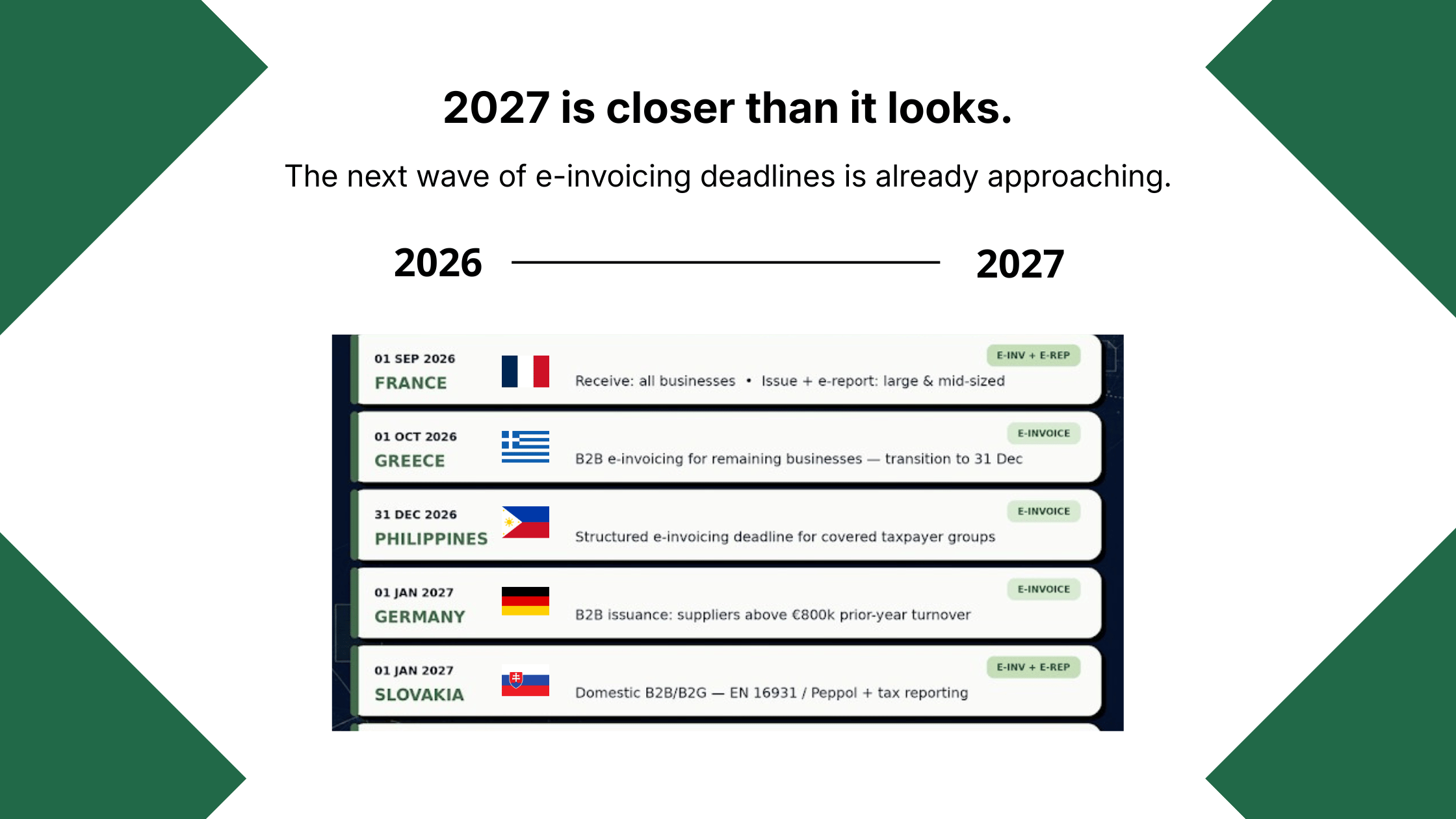
However, the direction of travel is clear. Across Europe, structured electronic document exchange is becoming the norm rather than the exception, with many countries already enforcing e-invoicing mandates or being in the process.
Companies that prepare early will be better positioned when new customer or regulatory requirements emerge.
Want help preparing for e-invoicing?
Talk to an EDI specialist.
You can also sign up for our webinar on Peppol in the Netherlands if you want to learn more. Register for the free webinar here.


.png?width=2240&height=1260&name=Greeces%20e-invoicing%20deadline%20is%20closer%20than%20you%20think%20-%20blog%20post%20(1).png)